
Best Winter Coats for Women: A Smart Buying Guide
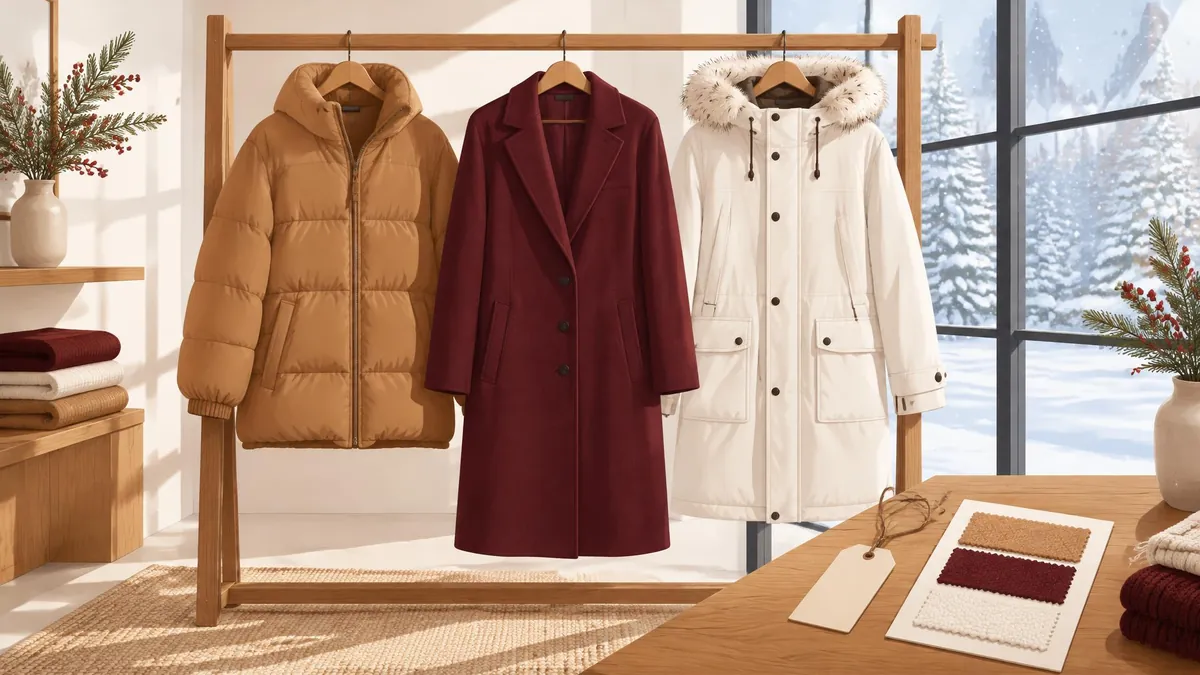
The best winter coat for a woman is the one that matches her climate, daily activity, layering needs, and care routine. Choose by those requirements rather than an unsupported ranking, a single insulation number, or a promise that one coat suits everyone.
The best winter coat for a woman is the one that matches her climate, daily activity, layering needs, and care routine. Choose by those requirements rather than an unsupported ranking, a single insulation number, or a promise that one coat suits everyone.
Define the job your coat must do
Write down the outdoor part of an ordinary day: a short trip from car to building, a long transit wait, a walking commute, or sustained activity. Note rain, wind, and whether you carry a backpack. Decide which needs are essential and which are preferences. This guide offers a buying process, not tested product recommendations, model comparisons, or guaranteed temperature ratings.
Compare insulation types
REI’s down-versus-synthetic guide explains that down traps air and is valued for low weight and compressibility, especially in dry cold. Synthetic insulation offers different moisture-related trade-offs. Treat neither category as automatically best. The complete design, amount of insulation, shell, fit, and your activity all matter. A fabric blend or insulation label alone is not a temperature guarantee.
Do not rank coats by fill power alone
Fill power describes down’s lofting ability, not the total insulation supplied by a finished coat. Compare the rest of the construction and the intended use. REI’s insulated-jacket guide organizes choices around activities as well as insulation types. A compact jacket for active use and a substantial coat for standing outdoors can have different priorities even when both use down.
Read weather protection separately
Check whether the manufacturer calls the shell water-resistant or waterproof and what construction details support the claim. Do not treat a quilted finish, wool-like texture, or hood as proof of rain protection. For persistent wet conditions, look for explicit guidance about the garment’s intended use. If the seller provides only broad lifestyle language, ask for specifications rather than inferring performance.
Choose length and closures for your routine
A longer coat may provide more coverage, but test stairs, car seats, and walking stride. Try the hood with any hat you actually wear and check whether it interferes with vision. Operate the zipper and pockets while wearing gloves. Inspect cuff comfort and the collar against your chin. These small usability checks often decide whether an otherwise suitable coat becomes an everyday favorite.
Fit over your real winter layers
Try the coat over the sweater or middle layer you plan to use. Reach forward, lift your arms, sit, and close every fastener without pulling. Too little room can make layering uncomfortable; excessive bulk can be inconvenient. REI’s layering framework is a useful reminder that the coat is part of a system. Do not size up mechanically without checking the actual cut and measurements.
Consider care as part of ownership
The FTC explains why clothing care labels matter: buyers need accurate information about fabric maintenance. Read instructions before purchase and budget for any required cleaning. Avoid generic washing advice based only on the word “down” or “wool”; trims, linings, coatings, and construction can change the correct method. Ask the seller to clarify missing care information before ordering.
Use a final comparison checklist
Compare only coats that satisfy your core requirements. Record the shell description, insulation type, fit over layers, practical features, care requirements, total delivered cost, and return terms. A sale price does not compensate for the wrong weather protection or an uncomfortable cut. If you cannot establish key specifications, leave that candidate off your shortlist rather than filling the gaps with assumptions.
Questions readers ask
Is the highest fill power always warmest?
No. Fill power is one down property, not a complete measure of finished-coat warmth.
Is a puffer automatically waterproof?
No. Check the shell specification and intended weather conditions.
Should I buy a larger size for winter?
Try the actual coat over your intended layers and use measurements; sizing up is not a universal rule.
Related reading
Frequently asked questions
Is the highest fill power always warmest?
No. Fill power is one down property, not a complete measure of finished-coat warmth.
Is a puffer automatically waterproof?
No. Check the shell specification and intended weather conditions.
Should I buy a larger size for winter?
Try the actual coat over your intended layers and use measurements; sizing up is not a universal rule.
Useful on MayreDukaan
Sources
Facts last checked against these sources on Nov 15, 2026, 9:00 PM ET.
Images: Illustration created for MayreDukaan (not a photo)
More trending articles
 Shopping and DealsWinter Outfit Ideas for Women 2026: Smart Layers16 Nov 2026 · 4 min read
 Shopping and DealsChristmas Gifts for Women Under $50: Idea Guide16 Nov 2026 · 4 min read
 Shopping and DealsBlack Friday Fashion 2026: Announced Sales Guide16 Nov 2026 · 3 min read
 Artificial IntelligenceBest Free AI Image Generators: A Practical Guide16 Nov 2026 · 6 min read