Request Customer Reviews Without Buying Praise
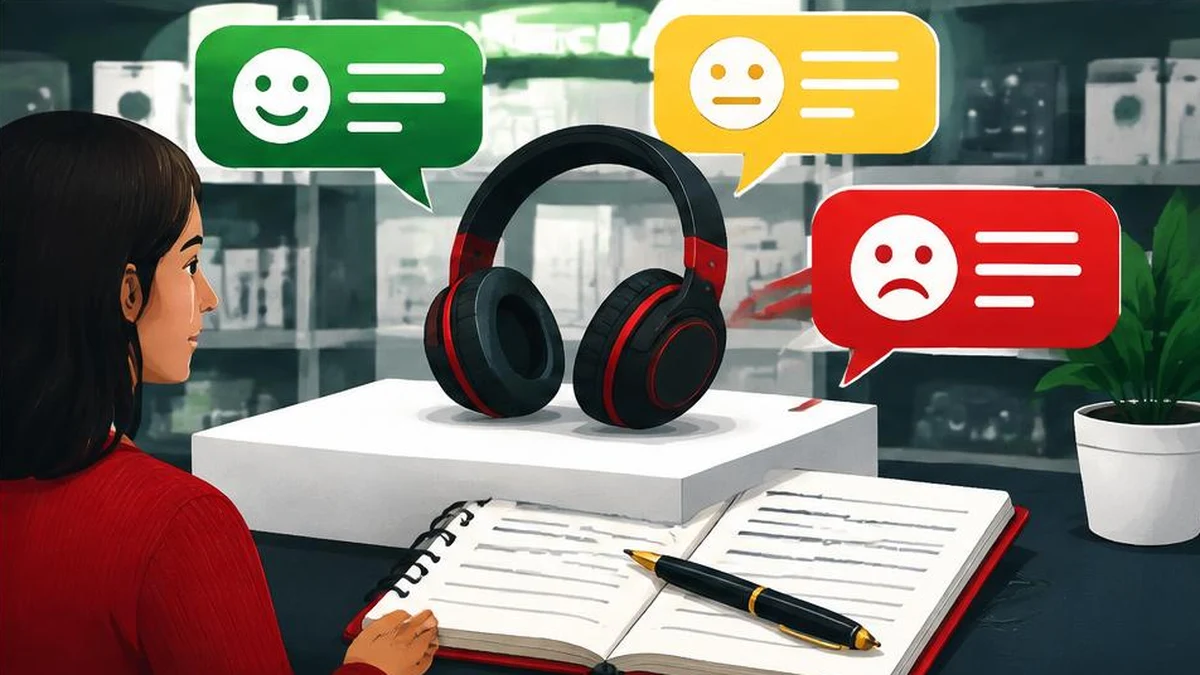
A review programme should invite genuine experience rather than manufacture praise. Separate support from review solicitation and review incentives against FTC guidance.
Ask for experience, not a predetermined rating
A useful customer review describes what actually happened. A request that tells a buyer which rating to give serves a different purpose: it tries to manufacture a public conclusion. For a US business, the FTC’s guidance on soliciting reviews and its Consumer Reviews and Testimonials Rule are important starting points for designing a trustworthy process.
The FTC’s review-solicitation guide advises marketers not to ask only people expected to leave positive reviews and not to discourage negative reviews. The separate rule questions and answers explains prohibited practices and relevant distinctions. This is a practical workflow, not a legal opinion about every campaign or review platform.
Choose a neutral invitation rule
Define who receives an invitation before reading their satisfaction score. For example, you might invite customers after completed orders using the same selection rule across the period. Document exclusions such as cancelled transactions so staff do not quietly redefine eligibility to favour happy customers.
Do not send satisfied buyers to a public review page while directing dissatisfied buyers only to a private form. You can offer customer support to everyone, but support should not become a gate that determines who gets a chance to leave a public review.
A neutral message could say: “If you have used your order, you are welcome to share an honest review of your experience. Positive and negative feedback are both useful. If you need order support, contact us through our usual support channel.” Adapt this example to the platform’s rules and your actual service; it is not an FTC-approved template.
Remove pressure from staff scripts
Review the full journey, including checkout signs, follow-up messages and verbal requests. A neutral email does not fix a cashier telling customers that anything below five stars will hurt an employee.
Use text compare to review old and revised invitation scripts. Look for removed conditions such as “only if delighted,” “send proof of five stars” or “change your review before we help.” These examples are editorial warning signs, not an exhaustive statement of every legal category.
The word counter can help shorten a request so the invitation and support option are easy to understand. Brevity is not the legal test: a short message can still conceal an incentive or pressure a customer.
Treat incentives as a separate compliance decision
The FTC rule prohibits buying reviews when compensation or incentives are conditioned, expressly or implicitly, on a particular positive or negative sentiment. Its guidance also addresses disclosure of material connections. An incentive for an honest review is not automatically permitted everywhere simply because it does not demand five stars. A review platform may prohibit incentives altogether, and other advertising obligations may apply.
Before offering anything, answer these questions:
- Does the platform permit this programme?
- Is any reward linked to the rating or tone?
- Will the invitation accurately explain the arrangement?
- Is any required disclosure clear to the review’s reader?
- Can staff administer the offer consistently without filtering criticism?
When those questions are unresolved, pause the incentive rather than improvising wording. The simplest operational alternative is an ordinary, uncompensated invitation under a neutral rule.
Keep moderation distinct from suppression
Moderation can address genuine policy problems such as irrelevant content or exposed personal information. It should not become a label for removing criticism merely because it is inconvenient. FTC materials address review suppression and misleading representations about whether displayed reviews represent submitted reviews.
| Situation | Safer operational response |
|---|---|
| Customer reports a defect | Offer support without conditioning it on review removal |
| Review contains private data | Apply a documented content policy consistently |
| Staff disputes a criticism | Investigate records and respond factually |
| Agency promises only positive reviews | Require a documented method or reject the service |
Do not threaten reviewers or invent a legal basis to silence them. For a genuine legal dispute, obtain appropriate advice instead of asking staff to send intimidating stock messages.
Make the review destination easy to verify
If a platform permits linking to its review page, a clearly labelled code can reduce typing. The QR code generator creates an ordinary QR image; it cannot verify reviews, establish platform eligibility or certify compliance. Check the destination yourself and avoid a label implying that a five-star rating is required.
Finish with a periodic audit. Sample invitations, agency invoices, staff instructions and moderation decisions. Confirm that the public message matches the actual process, and that complaints still receive support. Measure whether feedback identifies service problems, not merely whether the average rating rises. No invitation method guarantees more reviews, better ratings or legal compliance.
Frequently asked questions
Can I ask only happy customers?
FTC solicitation guidance advises against asking only people expected to leave positive reviews. Use a neutral invitation rule.
Can a reward depend on five stars?
The FTC rule prohibits incentives conditioned expressly or implicitly on particular positive or negative sentiment.
Are all honest-review incentives permitted?
No. Platform policies and disclosure or other advertising obligations still need review.
Should support depend on review removal?
Do not make ordinary support conditional on changing or removing criticism. Investigate the underlying issue separately.
Can a QR code certify a review programme?
No. A QR code is only a way to reach a destination; it does not establish compliance or review authenticity.
Useful on MayreDukaan
Sources
Facts last checked against these sources on Nov 16, 2026, 8:44 PM ET.
Images: Original AI-generated illustration by MayreDukaan; conceptual, not a product screenshot.
More trending articles
 Black Friday and Cyber MondayBlack Friday BNPL: Build a Repayment Calendar First17 Nov 2026 · 5 min read
 Shopping and DealsGift-Card Tampering: Check the Card and Save Proof17 Nov 2026 · 4 min read
 Black Friday and Cyber MondayFake Delivery Texts: Verify a Parcel Without Clicking17 Nov 2026 · 4 min read
 Shopping and DealsWinter Outfit Ideas for Women 2026: Smart Layers16 Nov 2026 · 4 min read